
Surface problem guide
Can this be cleaned?
Identify common exterior stains and growth, see how we normally approach them and understand what result is realistic before you request a quote.
- 5.0 from 41 Google reviews
- Fully insured
- Specialist equipment
- Kent & surrounding counties
Honest treatment advice
Find the problem that looks most like yours
Every surface is checked before treatment. We aim for the best safe improvement, not unrealistic promises of permanent or complete stain removal.
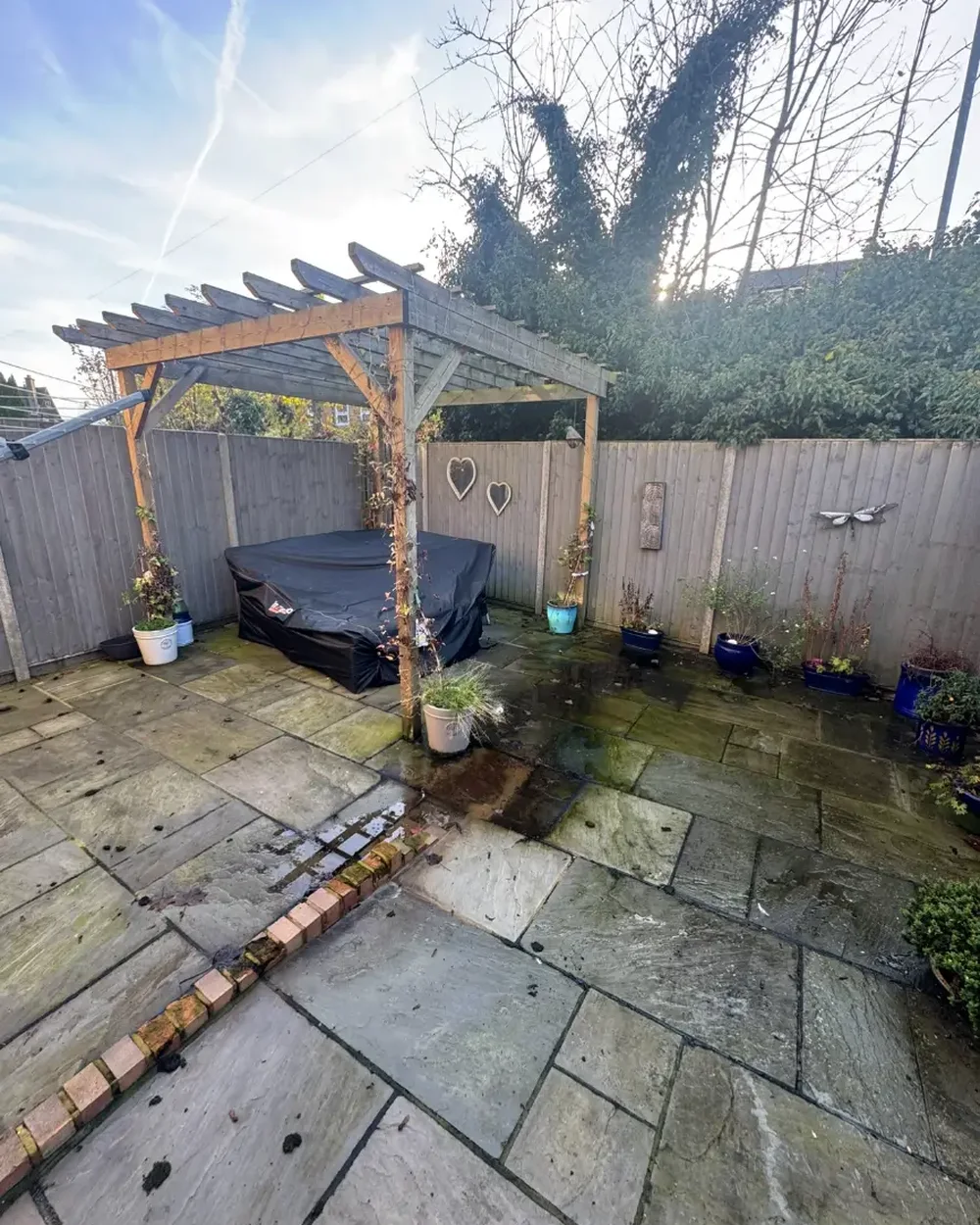
Black spots on sandstone
What is it?
Lichen rooted into the pores of natural stone.
Can it be cleaned?
Usually improved significantly, although established spots can need repeated treatment.
How we normally treat it
A surface-appropriate wash followed by targeted treatment, with dwell time controlled carefully.
Realistic result
A brighter, more even patio. Deep lichen shadows may remain on weathered stone.
What to know
Aggressive pressure alone can damage sandstone and does not always kill the growth at its root.
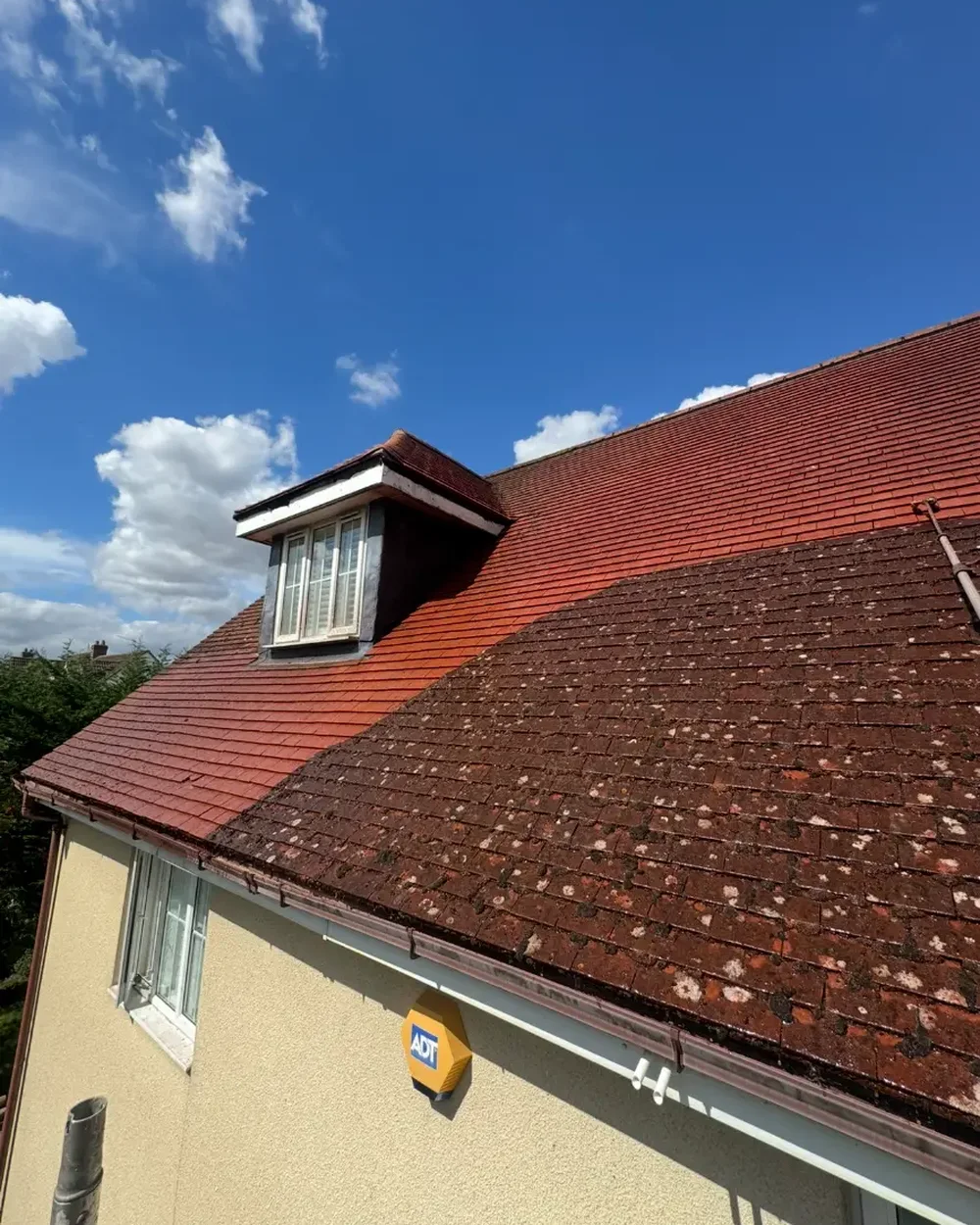
Moss on roof tiles
What is it?
Organic growth that holds moisture and collects around laps, valleys and gutters.
Can it be cleaned?
Yes, when the roof covering is sound and suitable access can be arranged.
How we normally treat it
Controlled moss removal followed by a biocide treatment suited to the tile and site.
Realistic result
Moss is removed and remaining organic staining normally continues to weather away after treatment.
What to know
We assess access and tile condition first; roofs are not all cleaned with the same method.
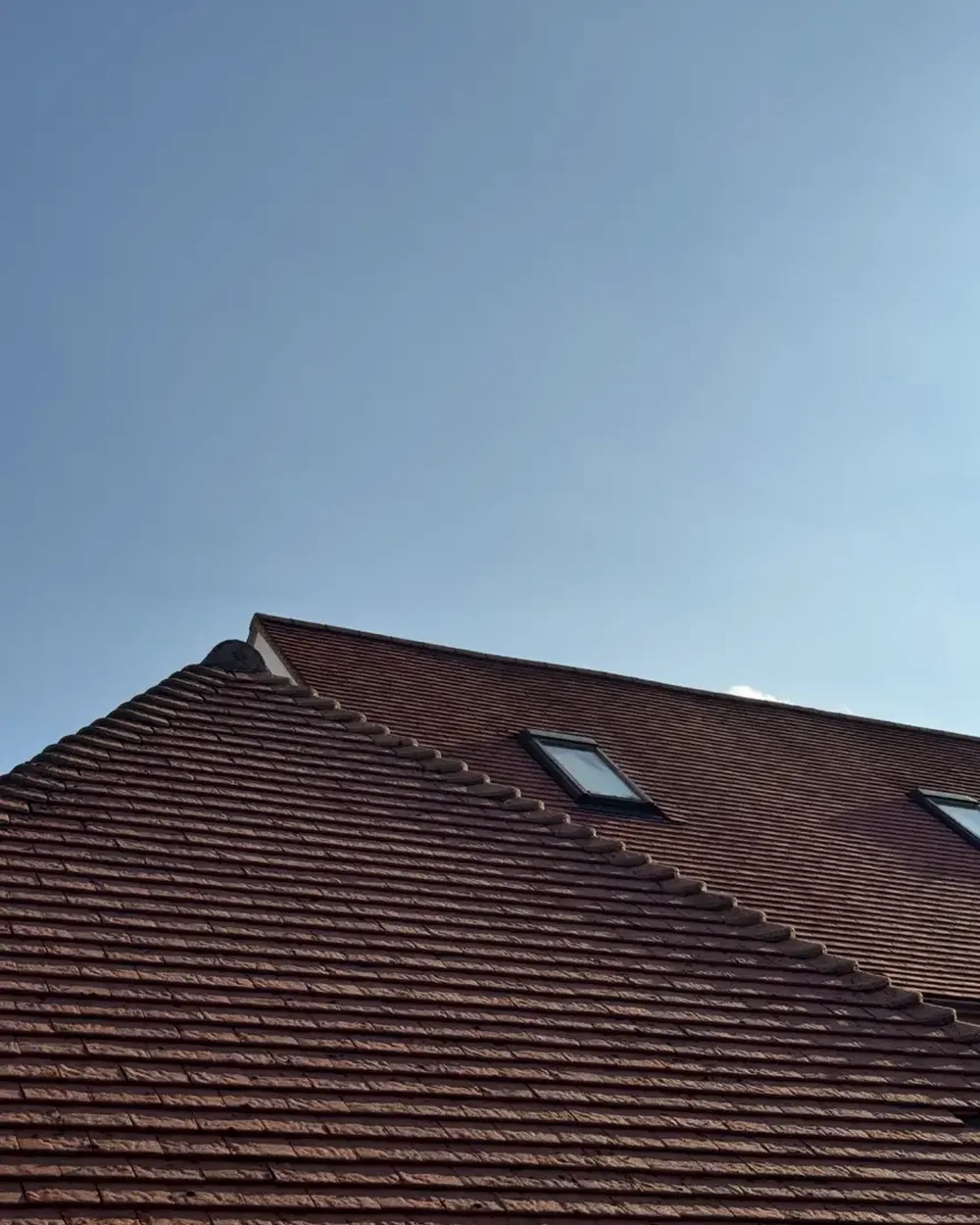
Lichen
What is it?
A slow-growing organism that bonds firmly to porous roofs and paving.
Can it be cleaned?
Often, but heavy lichen may need more than one treatment cycle.
How we normally treat it
Careful cleaning and a suitable biocide rather than excessive pressure.
Realistic result
Significant improvement, with residual marks fading over time where treatment continues working.
What to know
Instant, total removal is not always safe or realistic.
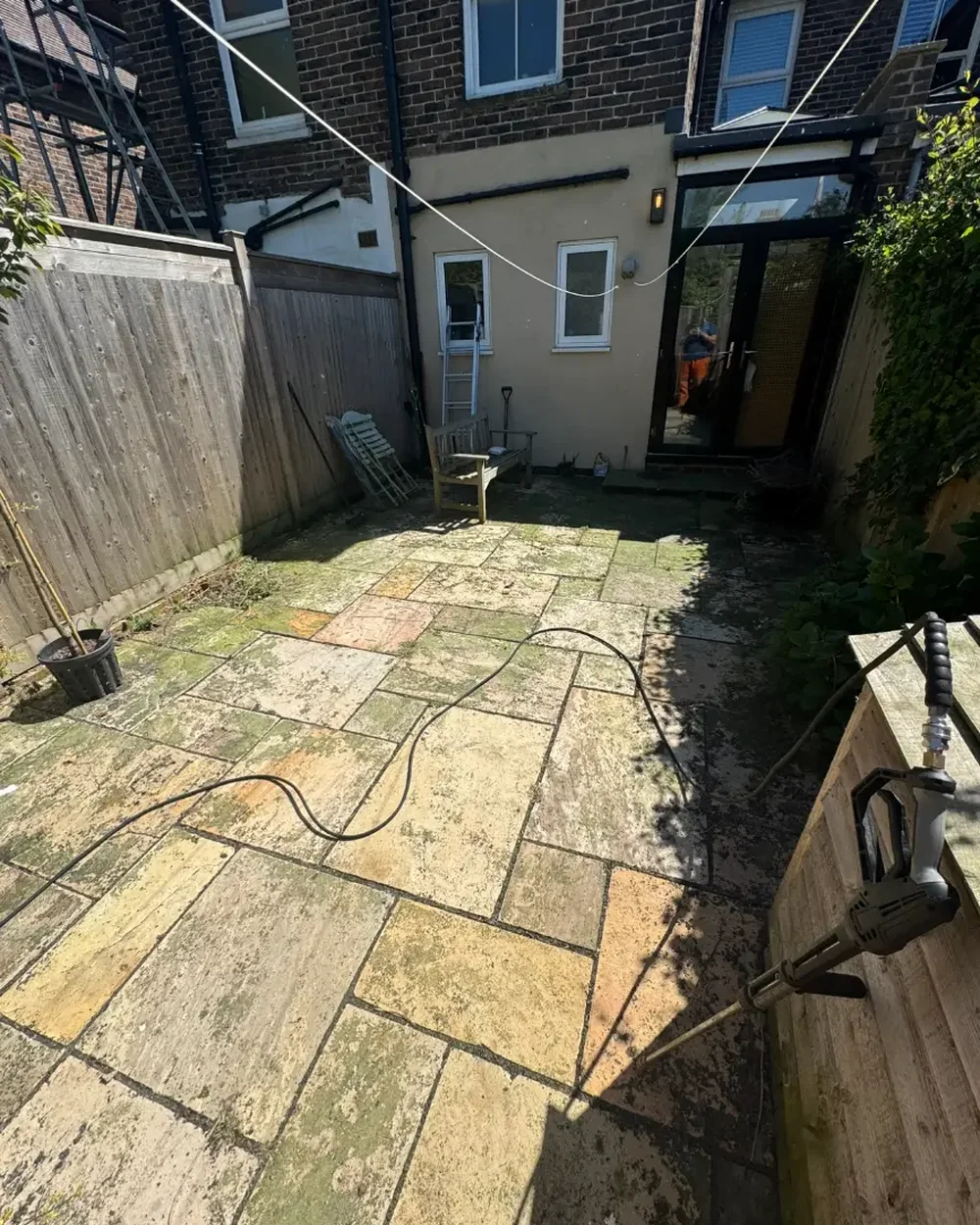
Green algae
What is it?
Surface growth encouraged by shade, damp and limited airflow.
Can it be cleaned?
Yes, on most sound exterior surfaces.
How we normally treat it
Pressure cleaning on suitable hard surfaces or low-pressure softwashing on delicate finishes.
Realistic result
A visibly cleaner, safer surface with the green film removed.
What to know
Growth can return sooner in shaded, damp areas and maintenance may be worthwhile.
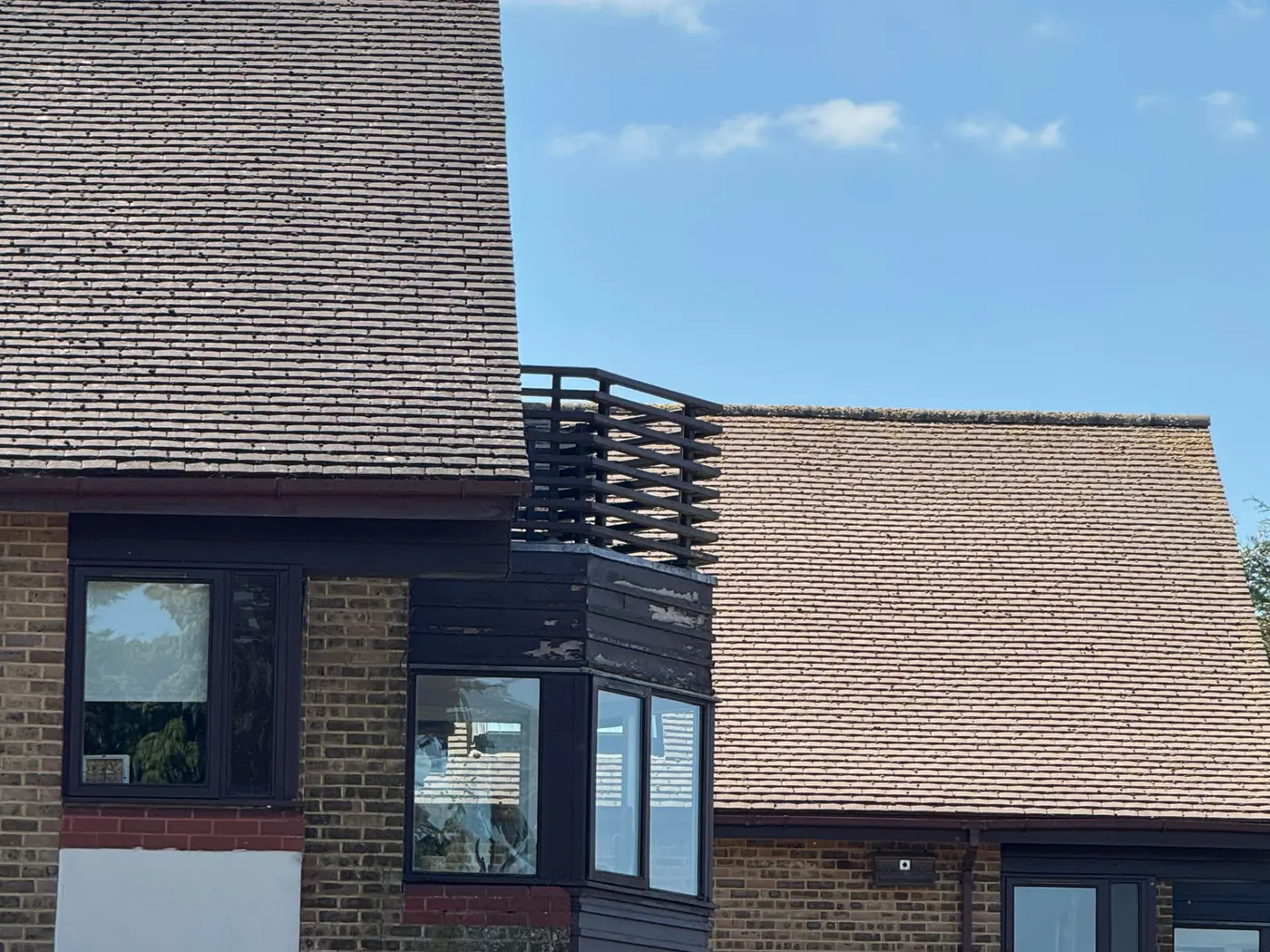
Red algae
What is it?
Airborne organic growth often seen as red or pink streaking on render.
Can it be cleaned?
Usually treated effectively when the render is in serviceable condition.
How we normally treat it
Low-pressure softwashing with controlled chemical application.
Realistic result
Staining normally reduces as the treatment works; weathering can continue the improvement.
What to know
We avoid high pressure on painted and rendered elevations.
Organic growth on render
What is it?
Algae, mould and other growth feeding on damp external surfaces.
Can it be cleaned?
Yes, subject to a small test and the condition of paint or render.
How we normally treat it
Softwashing at low pressure using a treatment selected for the surface.
Realistic result
A cleaner, more even elevation without relying on damaging force.
What to know
Loose paint, blown render and existing defects may need repair before cleaning.
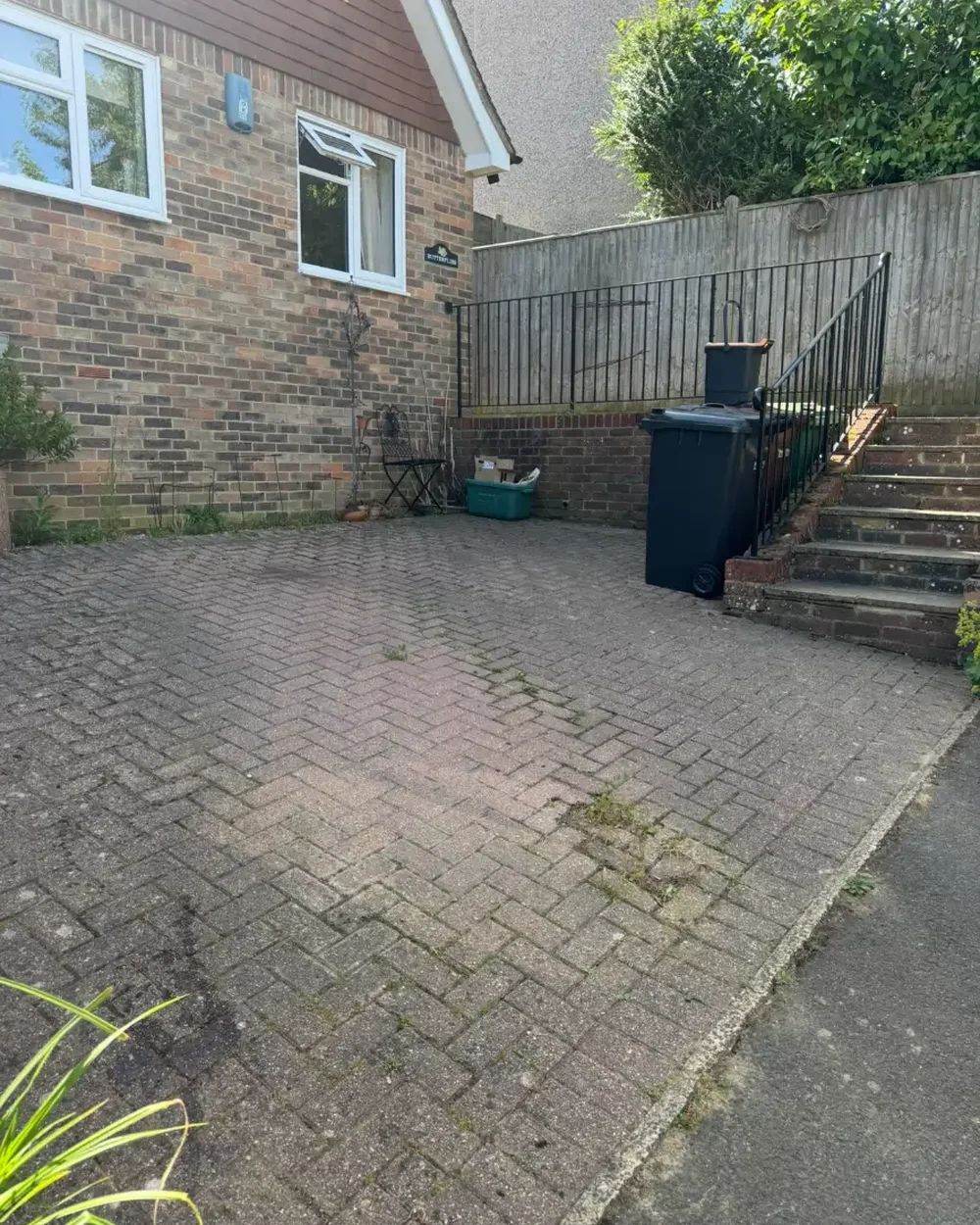
Weeds between block paving
What is it?
Growth taking hold in joints where sand has been lost or organic matter has built up.
Can it be cleaned?
Yes. The paving can be cleaned and the joints re-sanded once dry.
How we normally treat it
Weed removal, rotary pressure cleaning and kiln-dried re-sanding as standard.
Realistic result
Cleaner blocks and refilled joints, subject to drainage and block condition.
What to know
Re-sanding stabilises joints but cannot guarantee weeds never return.
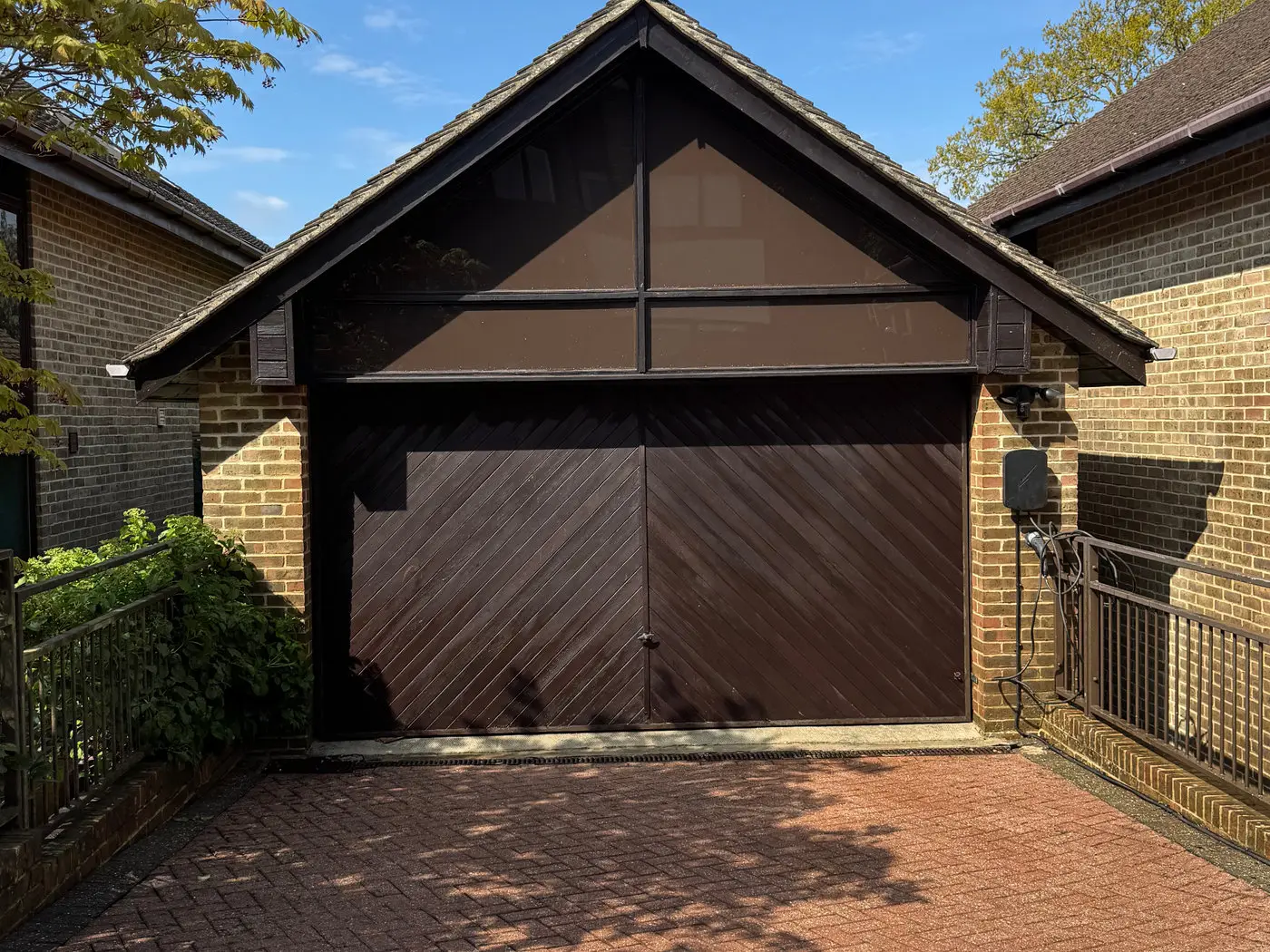
Oil stains
What is it?
Oil absorbed into porous concrete, stone or block paving.
Can it be cleaned?
Fresh surface contamination can often be reduced; old, deep oil may remain visible.
How we normally treat it
Degreasing treatment and controlled cleaning after a test area.
Realistic result
Often a significant improvement rather than guaranteed complete removal.
What to know
Porosity, stain age and previous sealing make a large difference.
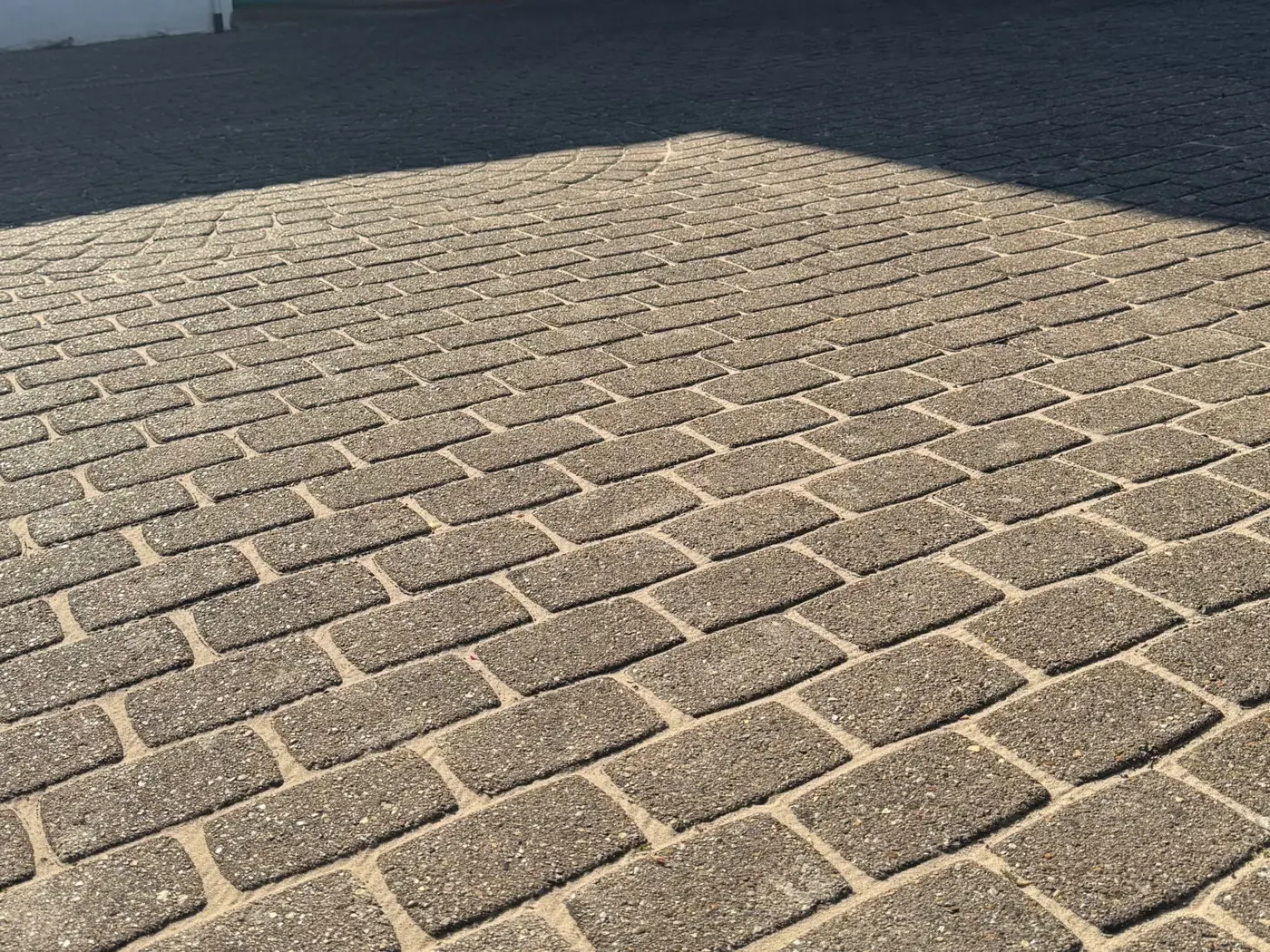
Tyre marks
What is it?
Rubber and road residue transferred onto drives and parking areas.
Can it be cleaned?
Often, depending on the surface and how long the marks have been present.
How we normally treat it
A suitable detergent or degreaser with controlled pressure cleaning.
Realistic result
Fresh marks commonly improve well; heat-set or absorbed marks can persist.
What to know
A test patch gives the most honest indication.
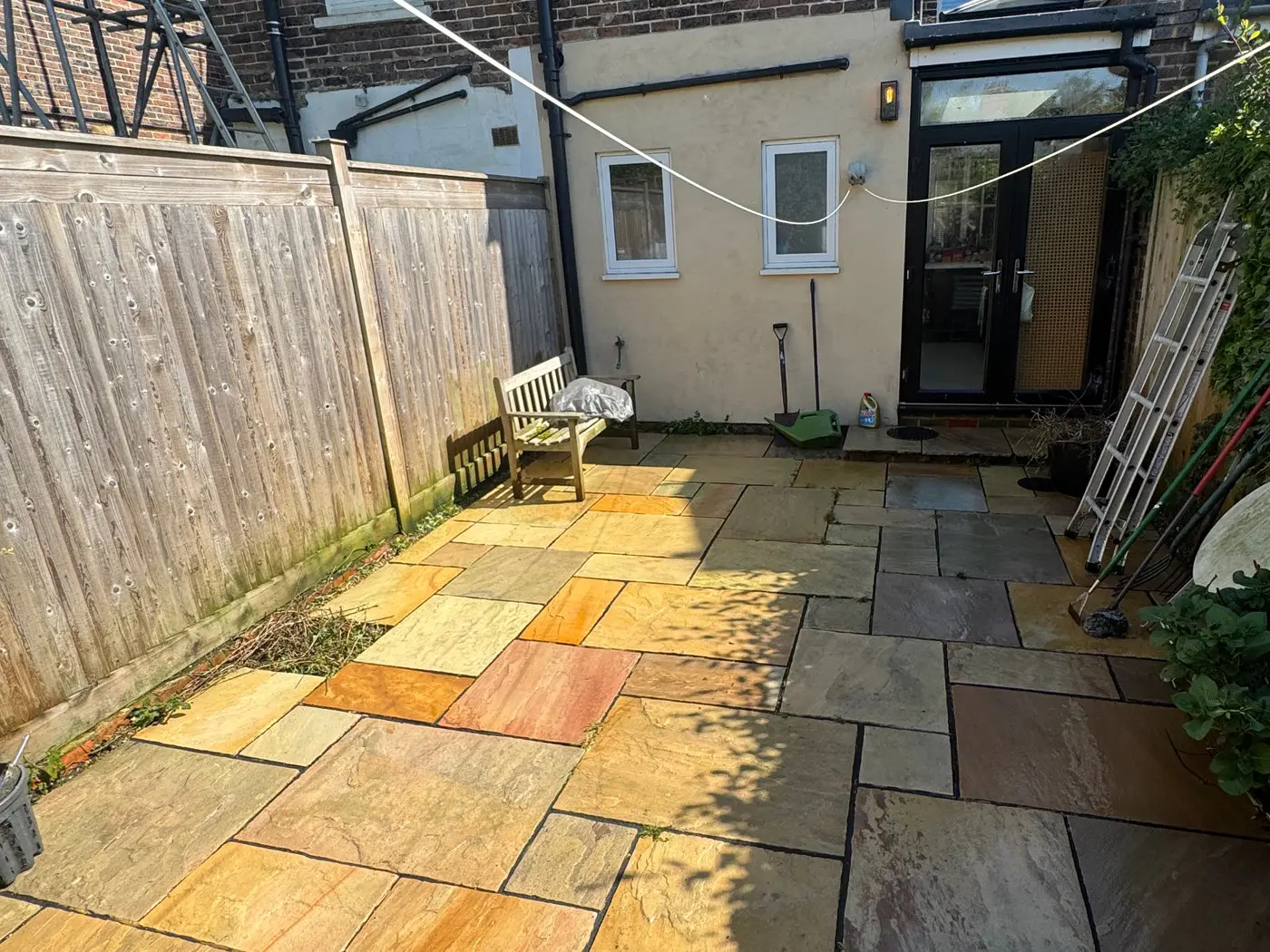
Rust staining
What is it?
Metal oxidation or mineral staining transferred onto paving or render.
Can it be cleaned?
Sometimes. The cause and surface must be identified before treatment.
How we normally treat it
A specialist rust treatment tested in an inconspicuous area.
Realistic result
Light staining can improve substantially; deep mineral migration may remain.
What to know
The source should be fixed or staining can return.
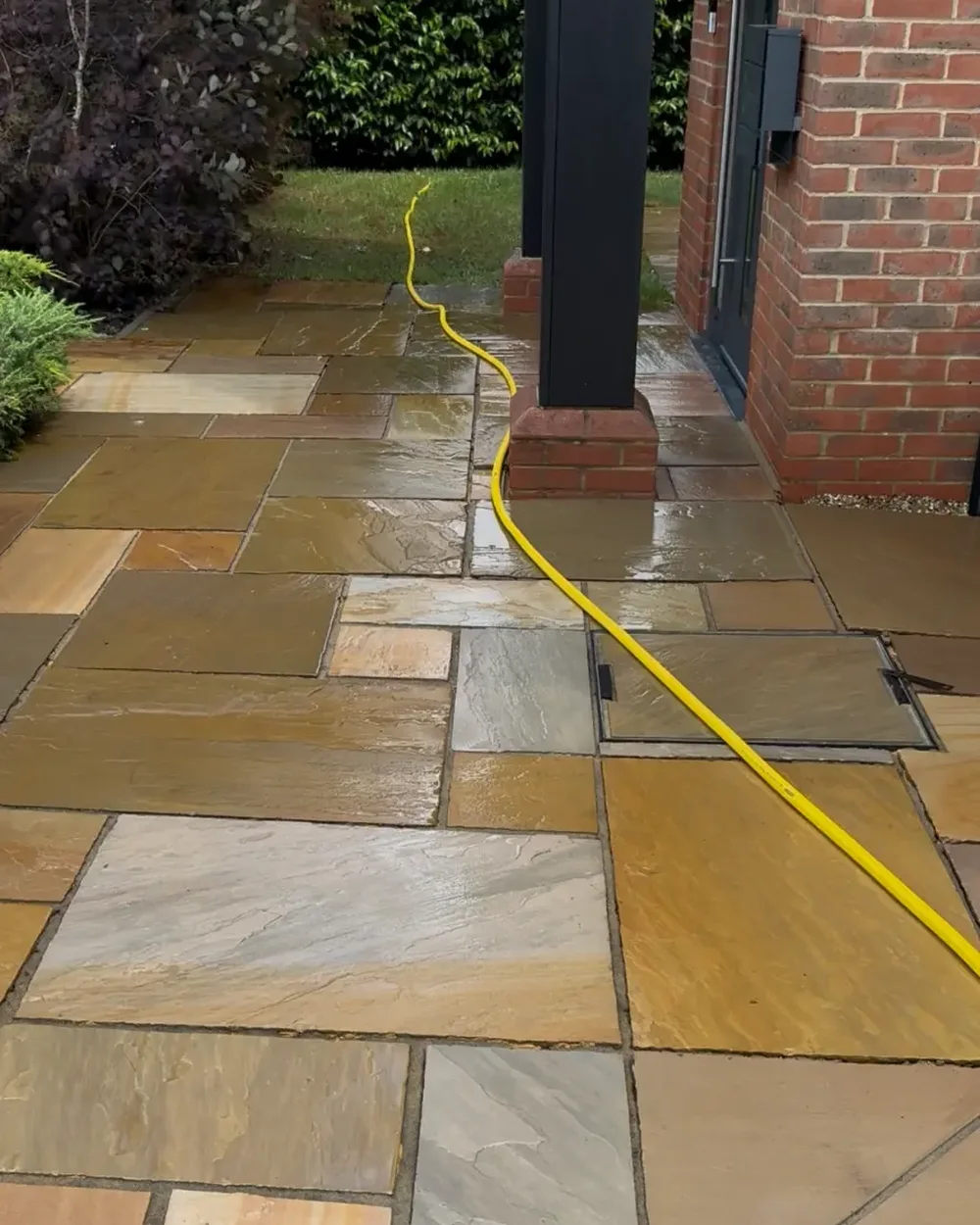
Efflorescence
What is it?
White mineral salts moving through masonry, render or paving as moisture evaporates.
Can it be cleaned?
It can often be reduced, but cleaning does not correct the moisture source.
How we normally treat it
Dry removal or carefully selected treatment after identifying the surface.
Realistic result
A more even appearance, though salts may reappear while moisture movement continues.
What to know
New paving sometimes settles naturally; premature chemical treatment can make matters worse.
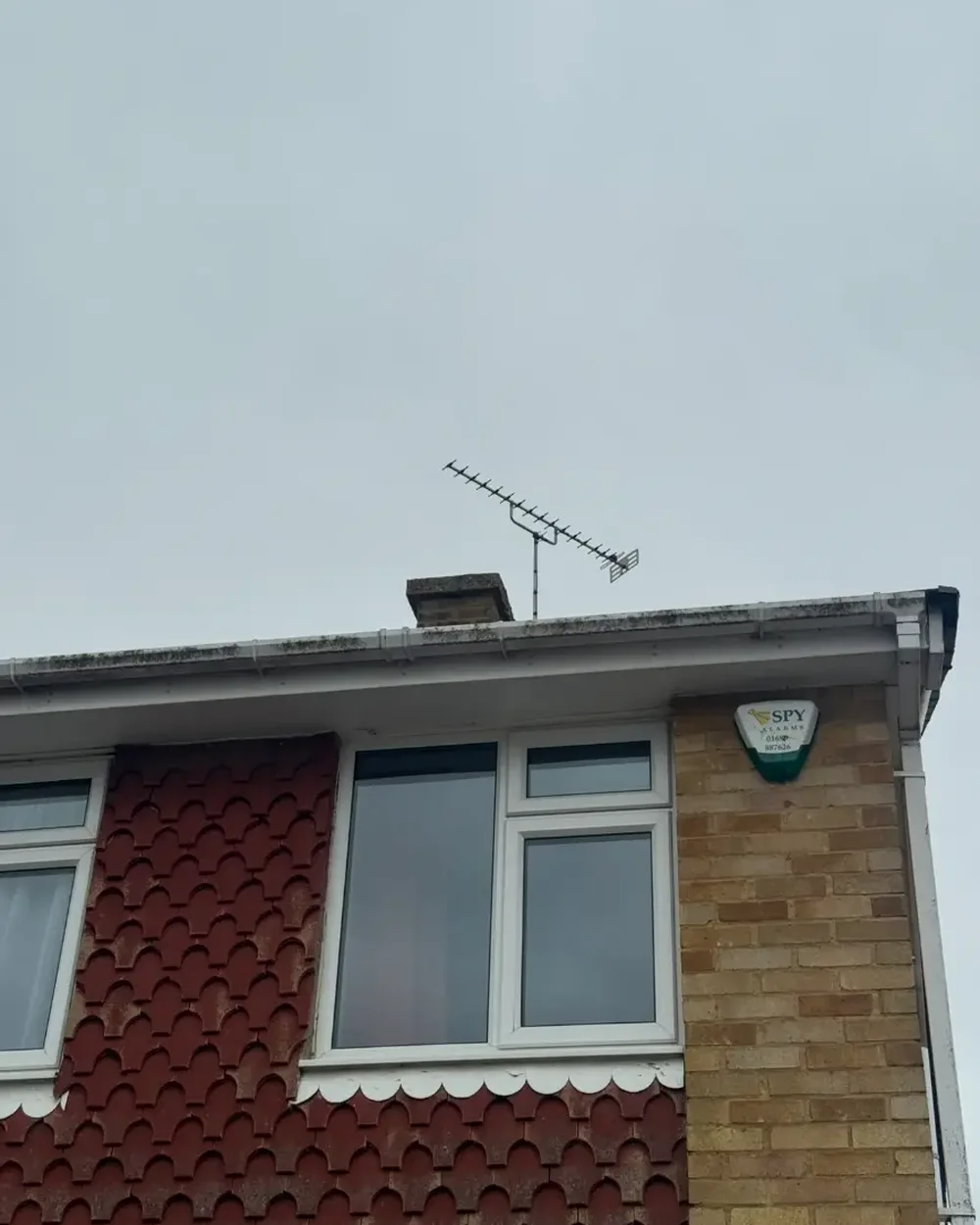
Dirty fascias and soffits
What is it?
Traffic film, algae, cobwebs and organic staining on exterior plastics.
Can it be cleaned?
Yes, where the fittings are secure and accessible.
How we normally treat it
A controlled scrub and rinse using suitable detergents and pole equipment.
Realistic result
A brighter, cleaner finish; deeply weathered plastics may not return to new condition.
What to know
Cleaning does not repair faded, cracked or loose components.
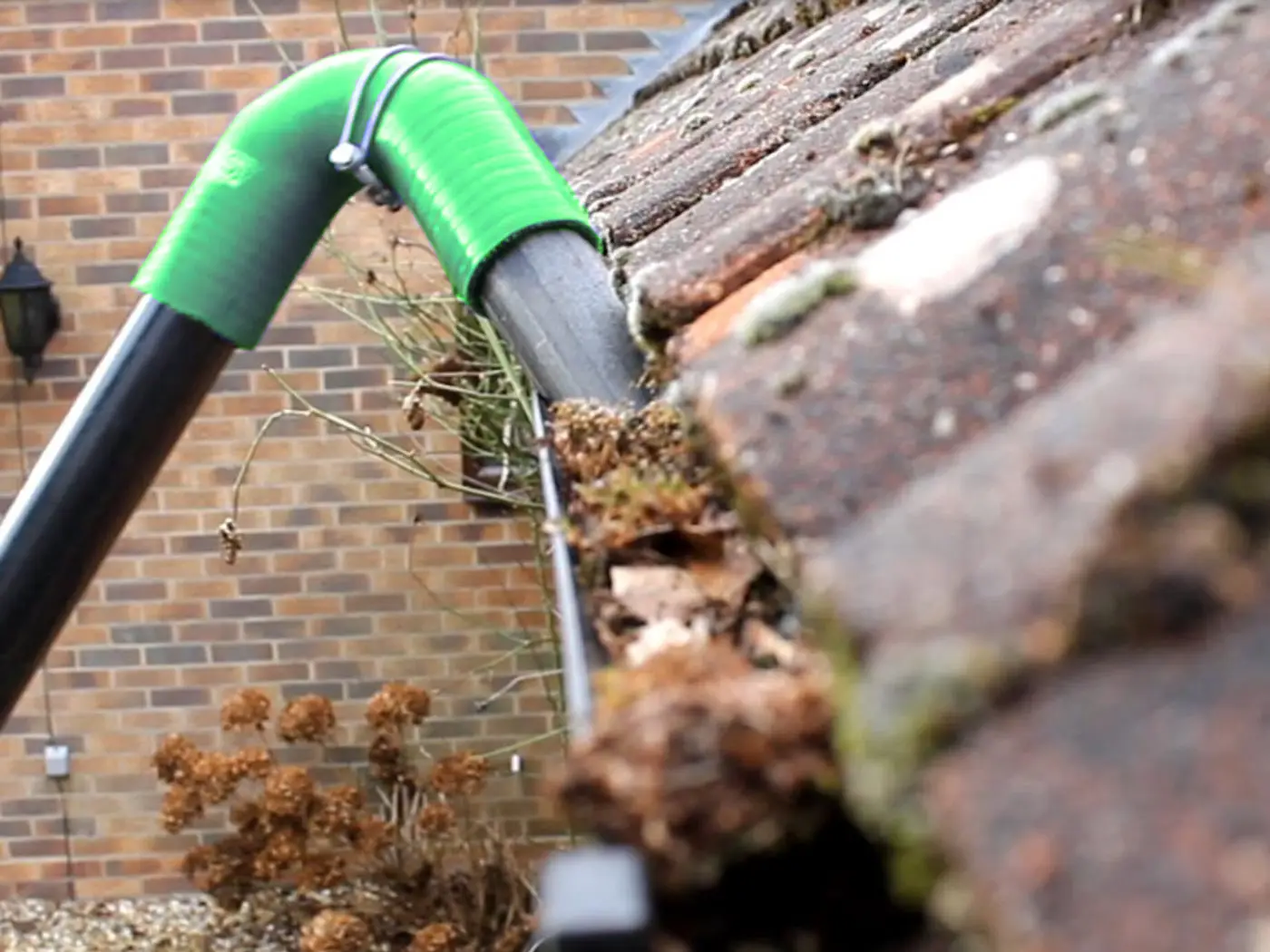
Blocked gutters
What is it?
Leaves, moss and silt obstructing gutter runs or downpipe entries.
Can it be cleaned?
Yes, in most domestic and commercial situations where safe access is possible.
How we normally treat it
Ground-based gutter vacuum equipment, with downpipes checked as part of the visit.
Realistic result
Debris removed and normal water flow restored unless a defect or underground blockage is present.
What to know
A clearance visit is not a repair, but visible defects are reported.
Not sure?
Send us a photo
We can usually identify the likely issue from a clear photograph and your postcode, then explain the sensible next step.
Free quotes across Kent & surrounding counties
Get a free, no-obligation quote
Send a few photographs of the areas you need cleaning and we will return a fixed written price. No pressure, and no changes on the day.
Prefer to talk? Call 07865 728204 or 01622 910555, or email contact@underpressure-kent.co.uk.